MASTER PLAN 2031
ASSAM (NEW MUNICIPALITIES)
GIS-Based Urban Planning & Infrastructure Development
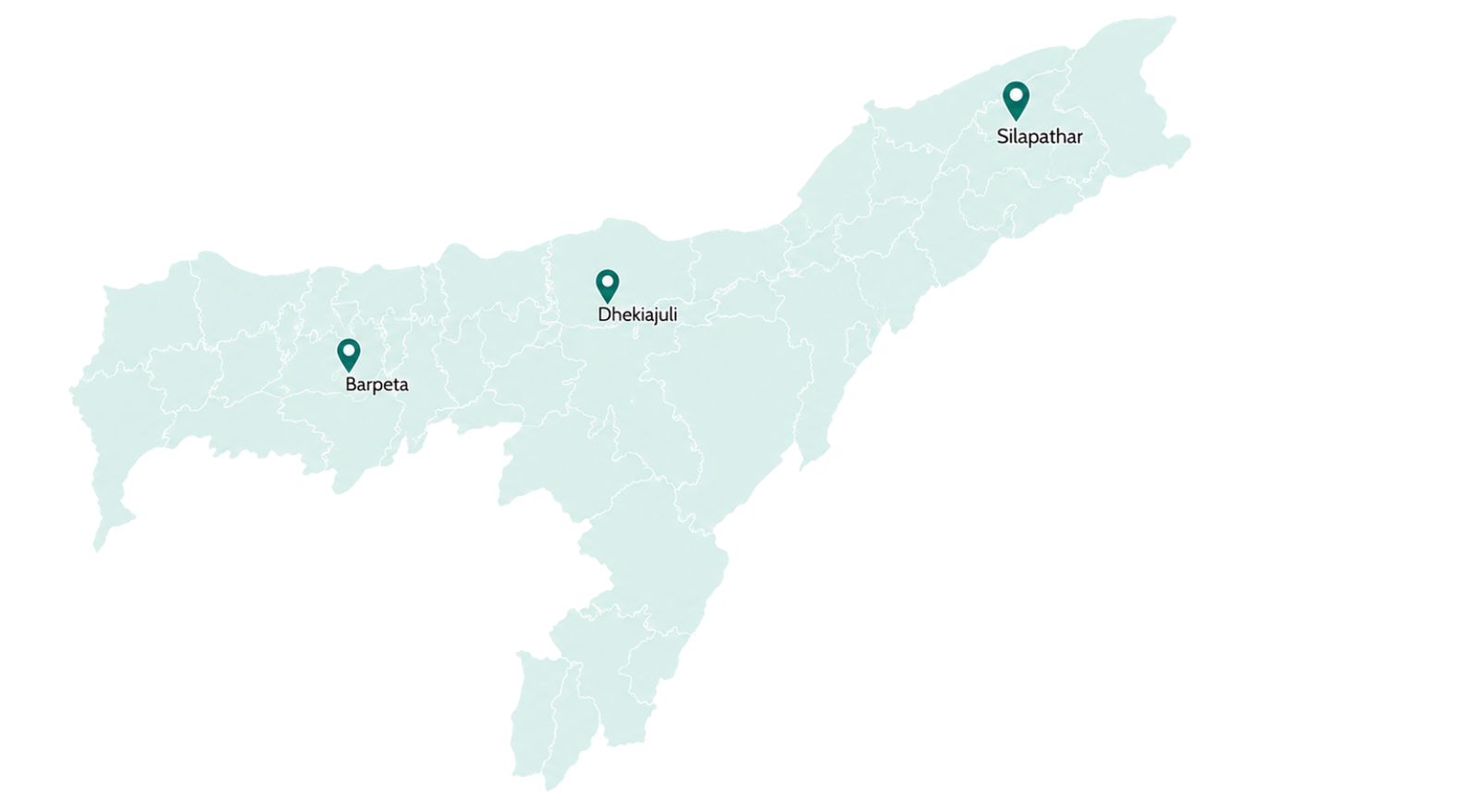
Coverage
HighLight
Extending the success of our SBMU work, Citiyano De Solutions was engaged to deliver IEC and solid waste management support to the municipalities of Barpeta, Dhekiajuli, and Silapathar in Assam. Building on our established expertise in the region, we designed comprehensive communication and behavioural change strategies.
Our approach combined stakeholder mobilisation, digital outreach, and onground IEC activities tailored to the unique challenges of each city. We worked closely with local authorities, community groups, and schools to promote waste segregation, reduction, and responsible disposal. By leveraging our proven methods from other Assam projects, we helped these municipalities accelerate their progress toward the goals of the Swachh Bharat Mission.
Impact
Raised community awareness on the importance of waste segregation and responsible disposal practices.
Strengthened the capacity of municipal staff and local volunteers in solid waste management (SWM) activities.
Fostered community participation through cleanliness drives, school engagement programmes, and outreach activities.
Reduced littering and open dumping across project areas through sustained awareness and enforcement.
Enhanced the visibility and performance of municipalities in Swachh Survekshan rankings.
Promoted adoption of household-level composting and waste reduction practices.
Strengthened partnerships between Urban Local Bodies (ULBs), Self-Help Groups (SHGs), and informal sector workers.
Supported municipalities in achieving Garbage Free City (GFC) Star Ratings.
Created long-term behavioural change that sustains beyond project implementation timelines.
Enabled knowledge transfer and replication of best practices from successful projects in other Assam cities.
Scope
Geographical Coverage: Barpeta, Dhekiajuli, and Silapathar in Assam.
IEC Campaigns: Designed and implemented Behaviour Change Communication (BCC) strategies to promote sanitation and cleanliness.
Stakeholder Mobilisation: Engaged Urban Local Bodies (ULBs), communities, Self-Help Groups (SHGs), and educational institutions.
Digital Outreach: Leveraged social media platforms to enhance citizen awareness and engagement.
On-Ground Activities: Conducted door-to-door drives, cleanliness campaigns, and community events.
Solid Waste Management (SWM) Support: Provided technical assistance for waste collection, segregation, and processing systems.
Monitoring: Tracked project progress and impact through structured reporting and feedback mechanisms.
Capacity Building: Trained municipal staff and community volunteers to strengthen local implementation capacity.
Partnerships: Facilitated collaboration with local organizations, NGOs, and informal sector workers for effective execution.